A short history of Serifos
From Perseus and Medusa to three thousand years of iron mining and the 1916 strike — the story behind the island.
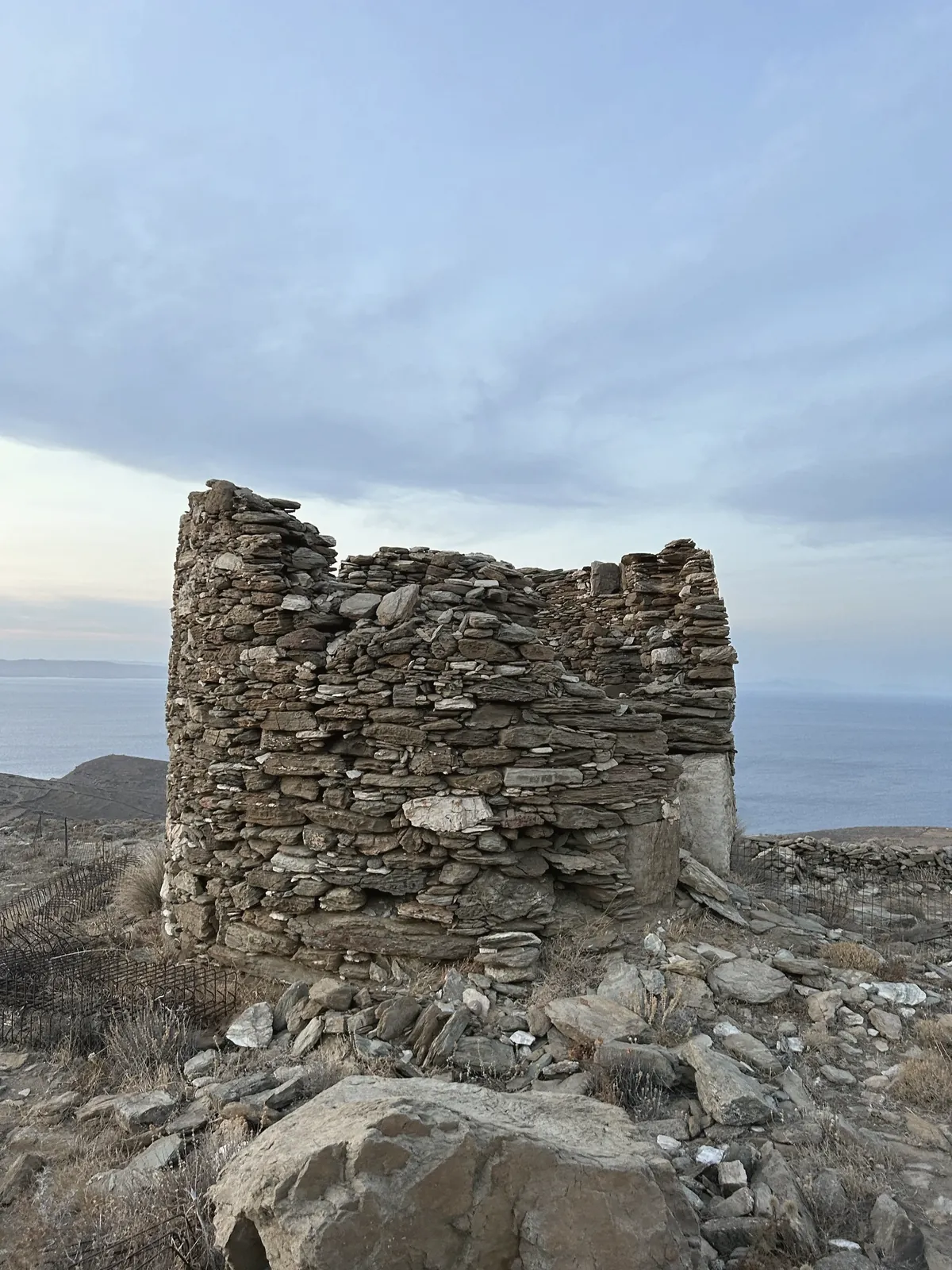
The island of Perseus
In Greek myth, Serifos is where Danaë and the infant Perseus washed ashore in a wooden chest. Perseus grew up here, left to fetch the head of Medusa, and — the story goes — returned to turn the island's king and his court to stone. Islanders will tell you that explains the rocks.
Iron
Serifos was mined for iron and copper from antiquity onwards. In the 19th and 20th centuries mining became industrial, with ore shipped from loading bridges on the south-west coast; the remains are still standing at Megalo Livadi and Koutalas.
The strike of 1916
In August 1916 the miners of Serifos went on strike for an eight-hour day and better conditions. Troops were sent; several workers were killed at Megalo Livadi. The strike is remembered as one of the first major labour struggles in modern Greece, and is commemorated on the island.
After the mines
Mining wound down in the mid-20th century and many families left. What remained is what draws people now: a quiet island, unspoiled coast and villages that kept their scale. Serifos has no airport, which has helped it stay that way.